
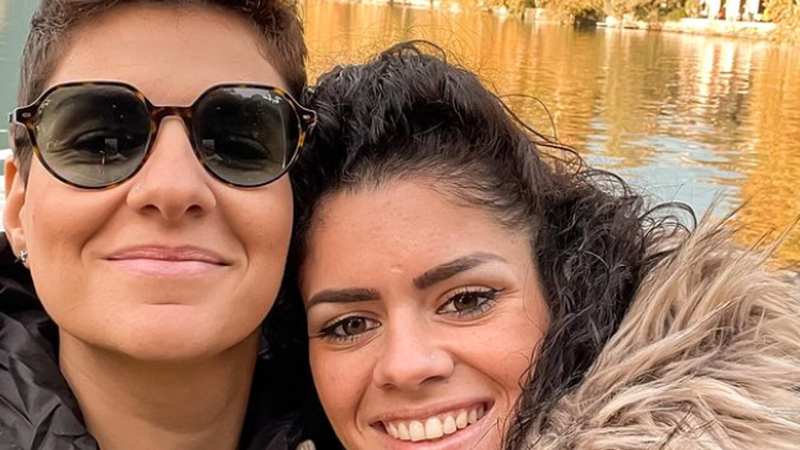
Interview with Chiara Bucello and Ludovica Billi, “The Deaf Soul”
Chiara Bucello and Ludovica Billi are content creators who have gained popularity on social networks with their videos aimed at increasing awareness about deafness. Chiara and Ludovica are alumnae of IED Milano, where they completed their studies in Graphic Design. They have been deaf since birth, and their stories coincidentally converged and intertwined through social media. This encounter led to a collaboration and a friendship that has culminated in a series of videos intended to entertain and prompt reflection about the gestures and thoughts that exclude deaf individuals. These videos expose the stereotypes that stem from ignorance regarding the reality of deafness: a characteristic that does not correspond to either malformation or disease. To disseminate information about deafness, Chiara and Ludovica founded the project @TheDeaf.Soul, which serves as a platform for communication and information for individuals with hearing disabilities. We interviewed them to uncover their narrative and discuss the lack of knowledge regarding the deaf community.
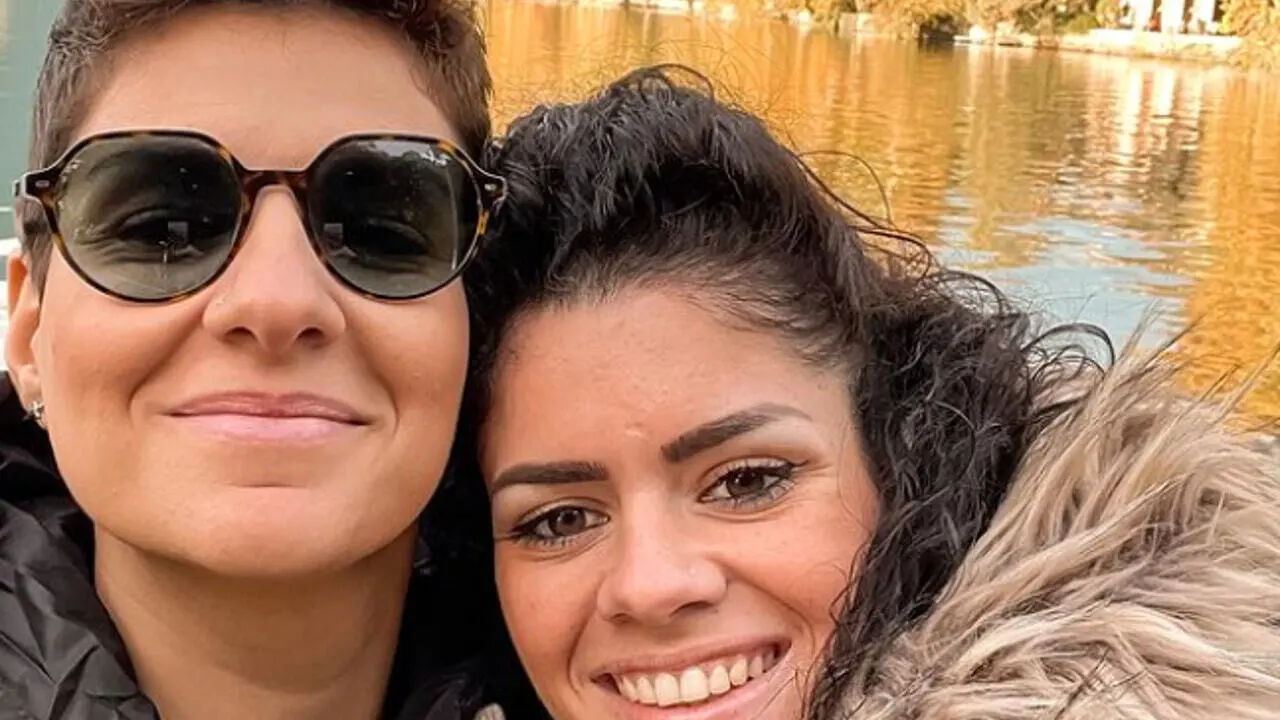
First of all congratulations! You're among the first 100 participants of WMF We Make Future 2023. An important recognition of your commitment as activists and creators in favour of Diversity & Iinclusion, as well as an opportunity to launch a message and share experiences.
Thank you so much. We are really proud of it, it's a big step for us!
What is the theme that deserves more attention in 2023, and what do you expect from this experience?
We can't wait to send positive messages and share our experiences, in the hope of helping other people, but above all to increase deafness awareness. In our opinion, the topic is among those that deserve attention, naturally combined with all the issues related to inclusion and accessibility. There is a lot that is yet to be discovered about these themes. It is not possible to be “proud” of deafness since it still creates some problems in communication and understanding, one cannot be proud of a condition which unfortunately has limits, which perhaps are "invisible", but which exist. However, we can be proud of where we are today thanks to the experiences that have made us stronger. It's up to us, with our diversity, to learn to be aware of our limits and strengths, to work on our safety, to pursue possibilities and to demonstrate that we can carry out any task in the best possible way. There is a big difference between hearing and listening! And it is important to send messages of encouragement, because unfortunately there are many people, even young people, who are unable to take this step and remain trapped.
We often talk about "people's disabilities", but if we think of the results that people can achieve regardless of their disability, we can't help but think that sometimes it is the reality in which we live that "disables". And this often happens because there is still a long way to go to build a truly inclusive society, where everyone has the opportunity to express themselves. What do you think? What point are we at and where can we get to in the next few years, also thanks to the personal commitment of those who live in a certain condition?
It's not easy to talk about disability when the person in front of you doesn't understand you. It is not a question of lexical understanding, but of cultural obtuseness. If we think from the inside out, without understanding others, it is always difficult to understand the implications that disability entails in daily life, even when this is not apparent, like deafness. It is precisely we who are in a position to say that there is no one more deaf than those who do not want to understand! Our relationship with the community is to show people that deafness is not a deformity that causes problems. We were born with this "characteristic", but we have always lived with it, and without problems. In our eyes, our gestures and laughter we have found the complicity to carry out an important awareness and communication campaign, in a direct, colourful and self-ironic way. As we do in the video which talks about the incorrect term "deaf-mute" or in those with things not to say and not to do in front of a deaf person. We tell these things because the world of information is still unprepared on the subject. On television, on websites, things are often said that are wrong: journalists are often not informed about deafness, simply because they are not deaf. Instead, we who are deaf, try to make those who are not, understand how to treat deafness. While to those who are, we explains what laws protect us, or what documents that can be used. We focus on everything concerning deafness.
What is the first piece of advice you would like to give to promote diversity and make the working environment more inclusive for our alumni and alumnae who manage a company or an organisation?
When we talk about D&I, we guarantee visibility and legitimacy to all the diversity present in a given context. Dealing with D&I today means committing yourself to creating a safe environment that allows for the full expression of these diversities. The goal is to make our work environments welcoming spaces and within which discriminatory behaviour does not exist. But above all, team members need to know that working together requires empathy, equality, support and trust. Pity, on the other hand, is counterproductive, and entails a lack of respect that could make the working atmosphere worse.
What are your next projects as activists and creators, and what is the most ambitious goal you would like to achieve with your work?
We are co-founders of the IG page The Deaf Soul where we have almost 11 thousand followers. The page aims to be a space for communication and information for people with hearing disabilities and our goal is to open our own headquarters in which to organise fully accessible events and shows. We would like to create an inclusive environment that helps us to reach more and more people, and to deal with consultancy and training on inclusive communication and accessibility.