
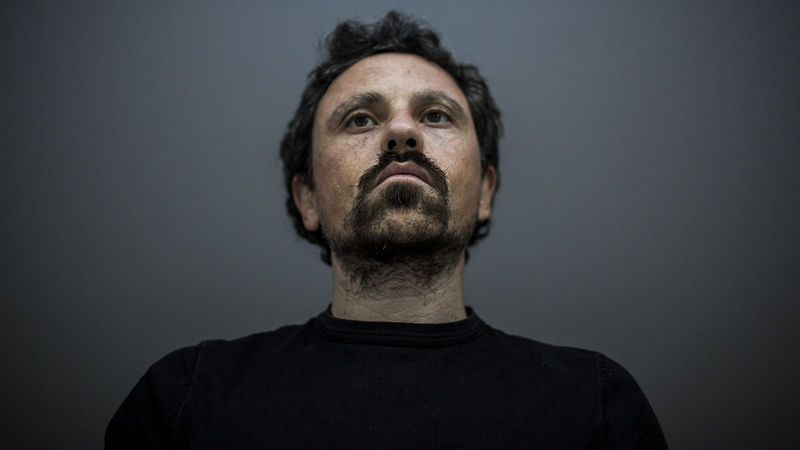
Interview with Alessio Mamo
Alessio Mamo is a talented freelance photographer based in Catania, Italy. He holds a degree in chemistry and honed his photography skills at IED Roma, where he graduated in 2007. Since then, he has established himself as a photojournalist, specializing in contemporary social, political, and economic issues. With a keen eye for detail, Alessio shines a light on the lives of refugees and migrants from Sicily to the Middle East.
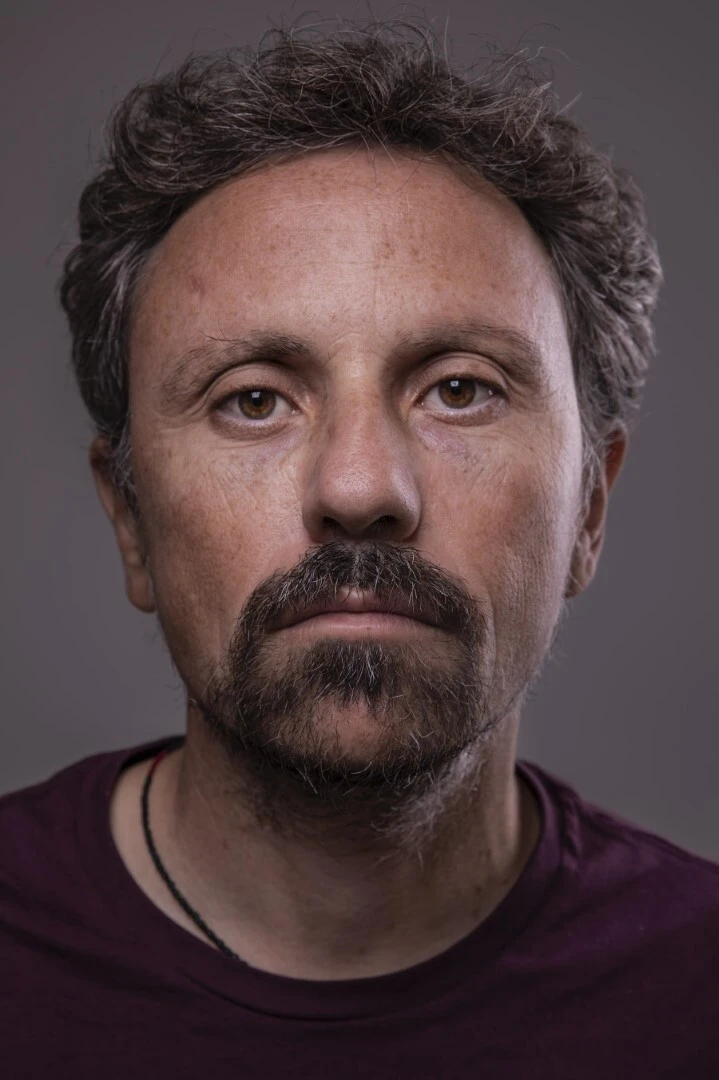
Alessio's work has earned him several prestigious awards, including two World Press Photo awards, Pictures of the Year, Luchetta Award, and the Maria Grazia Cutuli International Award. He was also a finalist for the 2022 Amnesty International Media Award. As a regular contributor to the Guardian, his photos have been featured in major international magazines such as TIME, The Guardian, Newsweek, Le Monde, Der Spiegel, Stern, National Geographic, Geo, Polka, AlJazeera, The New Yorker, Internazionale, and L'Espresso. He also works on commissioned projects for organizations such as Médecins Sans Frontières and the United Nations High Commissioner.
We met him at IED House Milano to ask him some questions about his career.
You graduated from the IED Roma in 2007. Can you think of any significant changes you have experienced in reportage photography over the years?
I started publishing my work in 2011 and have considered myself a fully professional photographer from 2012-2013. The publishing industry has been impacted by the crisis, including the field of photo reportage. I have met many veteran photographers who earned significant amounts in the 80s and 90s due to the high demand for their work, but these figures are now unthinkable in today's market.
Does the type of photography change depending on the media you use?
Not in the case of photojournalism, unless the client requests something specific.
From chemistry to photojournalism. You were lucky enough to do what you wanted.
I attribute my success to both luck and determination. I don't like to rely solely on luck, as I believe that hard work and persistence are key to achieving success. Even with these qualities, the outcome is not always guaranteed. If I were to offer advice to young aspiring photographers, I would say that making a career in this field is very difficult today, but not impossible.
How did you realize you didn't want to be a chemist?
I realized this by working as a chemist. I was bored and felt that what I was doing outside of work made me happy. I have always been drawn to reportage photography and never considered any other type.
How does collaboration with journalists work?
I collaborate with journalist Lorenzo Tondo, who worked as the Guardian's correspondent before me. We met 10 years ago in Sicily and have been working on various stories since then. In Lorenzo's case, our relationship began as both friendly and professional. In the case of the Guardian, the correspondent has the power to choose the photographer they work with. They will typically continue to work together if they have a pre-existing relationship with a photographer. Additionally, we have the support of photo editor Fiona Shield, with whom we discuss various aspects of photography.
More so than other jobs, personal relationships are essential in photography.
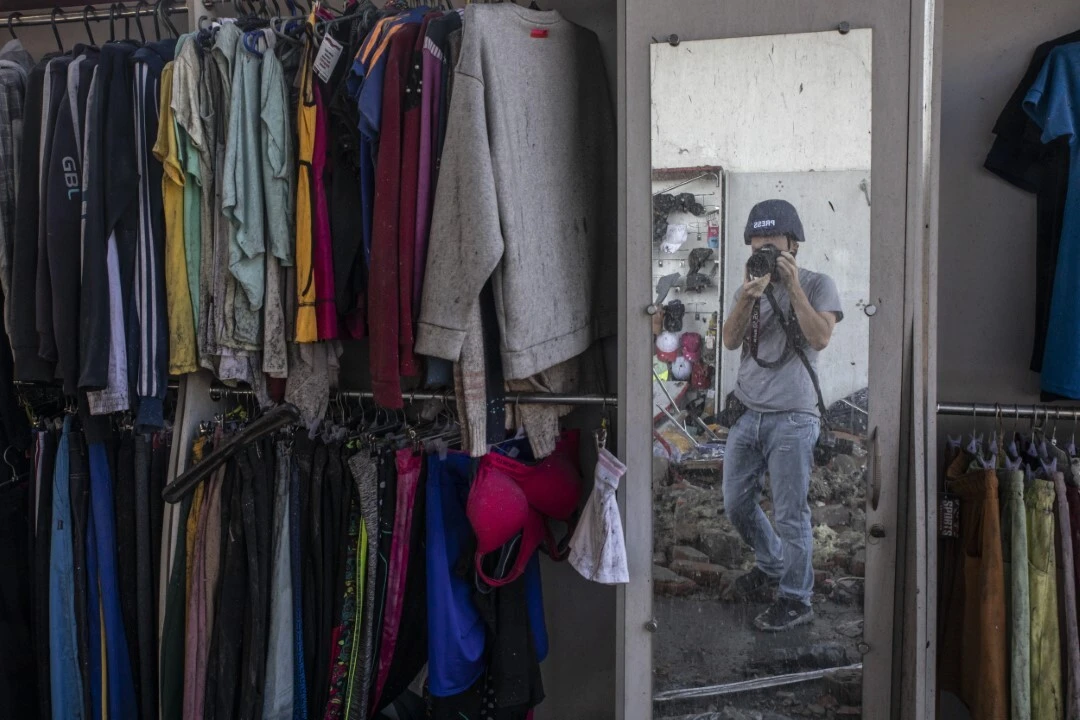
This is especially true for photojournalists, as we are often on assignments that can last two or three weeks. This requires a strong sense of teamwork and symbiosis, even with the support of a security team, fixer, and driver in the field. A fixer is a local who provides information, translation, access, and press accreditation. Building trust and maintaining an ongoing relationship takes time when working with a newspaper. I believe that international media should give more space to local photographers, especially in Ukraine, as it is ethically correct to allow them to share their perspectives.