
The future of Product Design? It belongs to those who look beyond.
Contamination, research, innovation, customer centricity. If sustainability is a must for future products, technology seems to be the key element in responding to the needs of the market of the future. In a world that progresses faster and faster, designers are required to have transversal knowledge, which allows them to approach a project in its entirety, starting from the data and the tools made available by technological innovation.
With only one fixed variable: the end user. Putting the user at the centre is the key to an increasingly humanist - or "human-centric" - vision that cannot be ignored, especially for those who design products that impact people's daily lives. An idea that only apparently contrasts with increasingly widespread and pervasive technologies.
Humanism and technology are anything but alternatives since one supports the other in a constant exchange of information for products increasingly tailored to the needs of each individual. Products and services are developed following a user journey that finds an essential ally in technology and an attentive and prepared interpreter in the product designer.

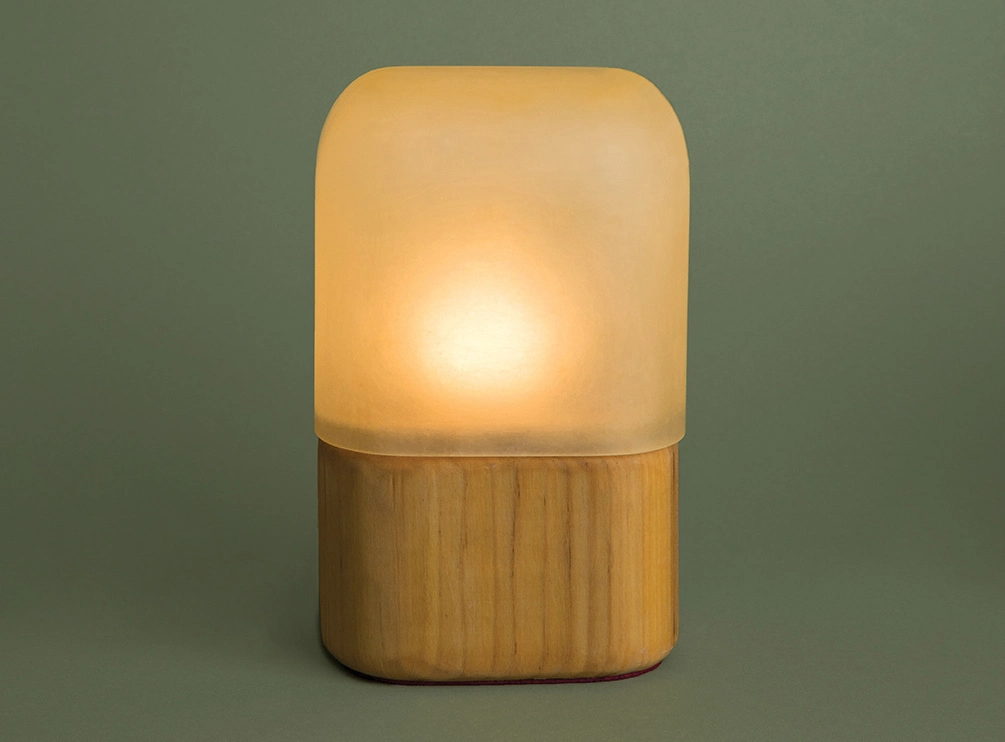
This is explained by Carla Jörgens Vidal, alumna and IED Barcelona teacher. A young award-winning designer with highly innovative projects, such as the Nähe lamp and the Lula therapeutic object, whom we met in IED Milano at the Taking You Beyond event during the Salone del Mobile.
"My golden rule in design is always putting the user at the centre. And this is perhaps what distinguishes us from engineers: the ability to question a project from the very beginning, starting from the study of the real needs of people. Thus, if an engineer creates, for example, a chair because the company asks for a chair, a product designer must be able to thoroughly analyse the target and the market, reconstructing a user experience that might lead us to understand that you don't really need a chair, but an innovative product, to be designed on the needs of those who will use it."
It goes without saying that if it has to be a chair, then this will be a comfortable, functional chair suitable for the use for which it is designed.
According to Jörgens, the era of display objects, made only for their aesthetics, impossible or difficult to use, is over:
"if I create a product, I always put function at the centre, and I am very focused on the most innovative aspects of each project".
The young designer admits that she has a very rational mind, perhaps unusual for a professional figure whose imagination and creativity tend to be valued above all. Yet, the context in which we live seems to prove her right: in an era in which reducing waste is imperative and "decluttering" has become the mantra of more and more people, we need to aim for simplification. For Jörgens, the ultimate goal of design is to improve people's lives, and using technology does not scare her at all; quite the contrary.
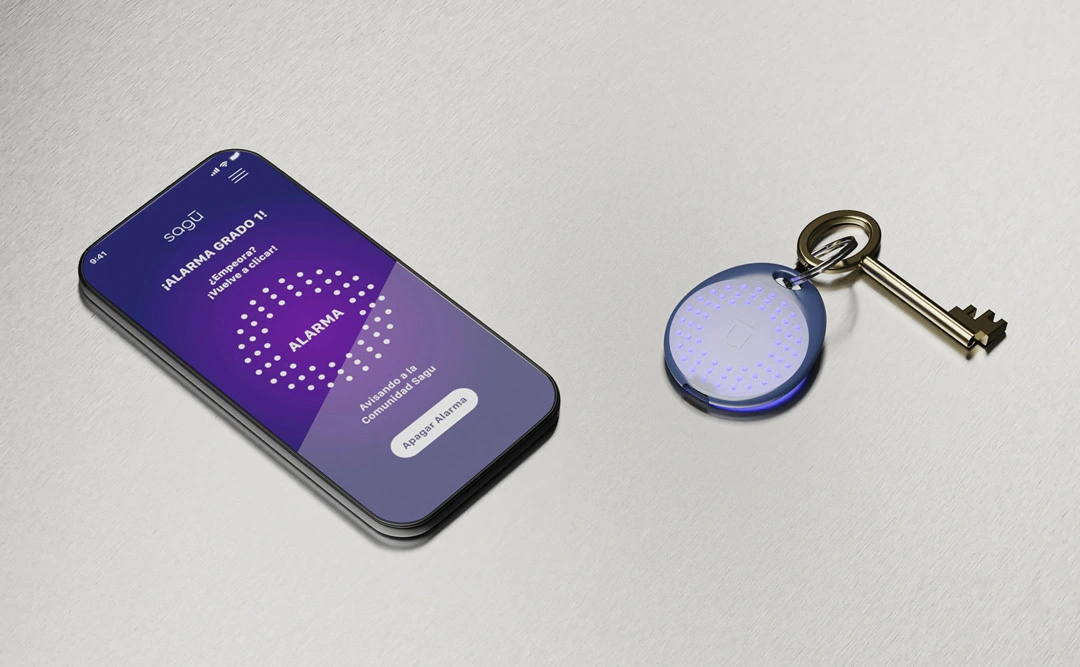
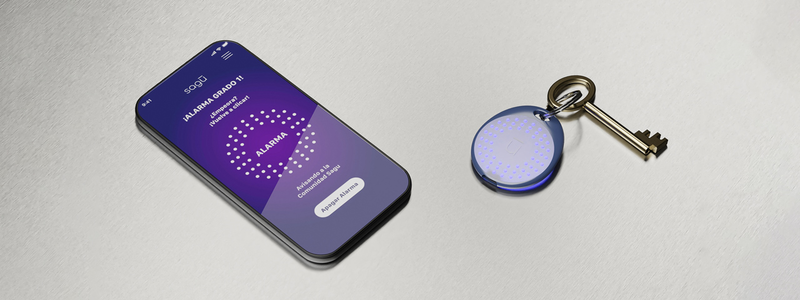
This is demonstrated by some of her projects, such as Sagu, an initiative that uses new technologies to combat street harassment by creating a community of users. Awarded with a special mention at the Imparables 2030 Competition, organised by the UNICEF Innovation Lab Spain and Trivu. Sagu integrates a key fob device and an app to geolocate people anonymously, and allow them to raise an alarm or take refuge in a safe place near by. In a project like this, the systematic use of technology becomes the key to greater humanisation, through tools that are often criticised in terms of privacy, such as mobile devices. Sagu is still being developed, but it represents the forward looking attitude that begins from real needs and observes a situation from different perspectives.
Another advice is:
"do not be afraid to find your style and take risks: if a choice is justified, no one will be able to tell you that it is wrong" and "dare to imagine even what seems impossible today. You may not get as far as you imagined. Still, you will certainly get closer than you think because, especially if you work with technology, changes are happening more and more quickly and you really have the potential to change people's lives".
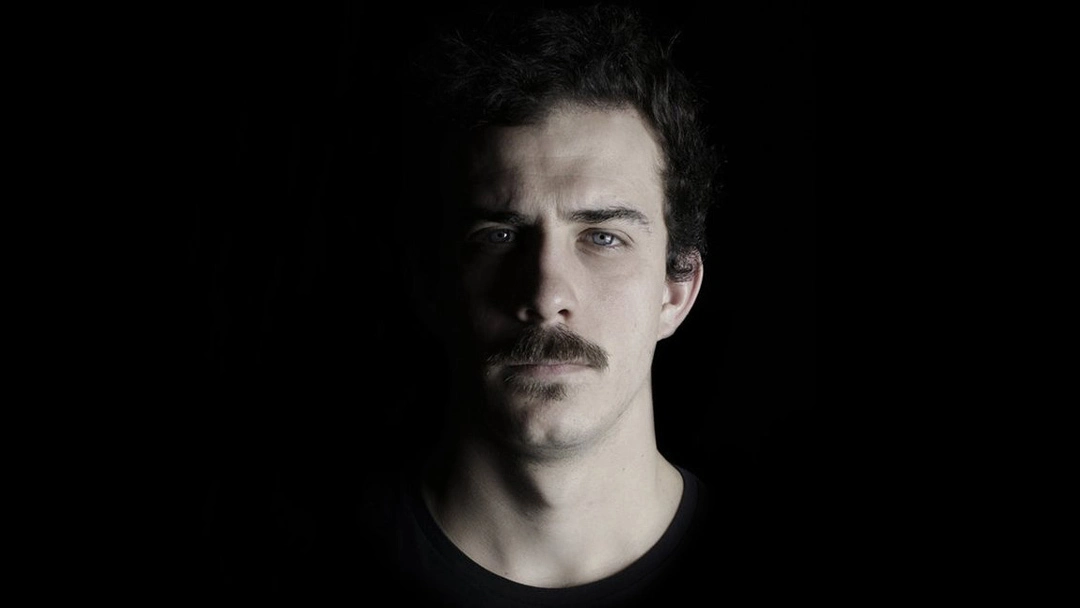
Thinking outside the box today also means not specialising too much and letting oneself be contaminated by different stimuli. A confirmation also comes from Attila Veress, IED Milano alumnus and winner of an Honorable Mention at the 23rd ADI Compasso d'Oro (Targa Giovani). With a long experience with some of the most influential brands in the design world, Attila is not afraid to face the challenges of our time.
"Rethinking objects, the way they are produced, the use we make of them, is one of the most interesting challenges of our time: it is inspiring to be a designer in this historical moment",
declared in the interview What's Poppin during the IED Alumni Taking You Beyond event.