
Design can serve people in extraordinary ways, creating what does not yet exist, helping people realize their dreams, improving the lives of those in need. Gabriele Chiave and many other IED Alumni remind us of this in this article. Find out more!
What is the real purpose of a designer? Probably everyone will give their own personal answer to this question. Yet, that of Gabriele Chiave (watch his interview), Alumnus from IED Milano and now creative director of Marcel Wanders studio in Amsterdam, seems to be based the profound meaning of a profession. After recalling his successful career - which led him to work for some of the most prestigious design brands in the world after graduating from the IED Industrial Design course - his advise to future designers is that: “We are here to serve people in the most beautiful way. We can imagine to create the un-existing, the unknown and give people new hopes, dreams, passions, emotions and everything that they can live with - says Chiave - I think it's very important to remind yourself that you are working for the people”. This is perhaps the profound meaning of design, which today cannot fail to think in an inclusive way. A necessary direction to demonstrate that beauty, know-how and social utility are not three concepts that cannot coexist in a single object or in a single design project. And it is also what is indicated to IED students, during their studies which will then lead them to become competent and established professionals. So let's see some of the projects carried out over the years by our Alumni.
COMMUNICATE THE INCLUSION
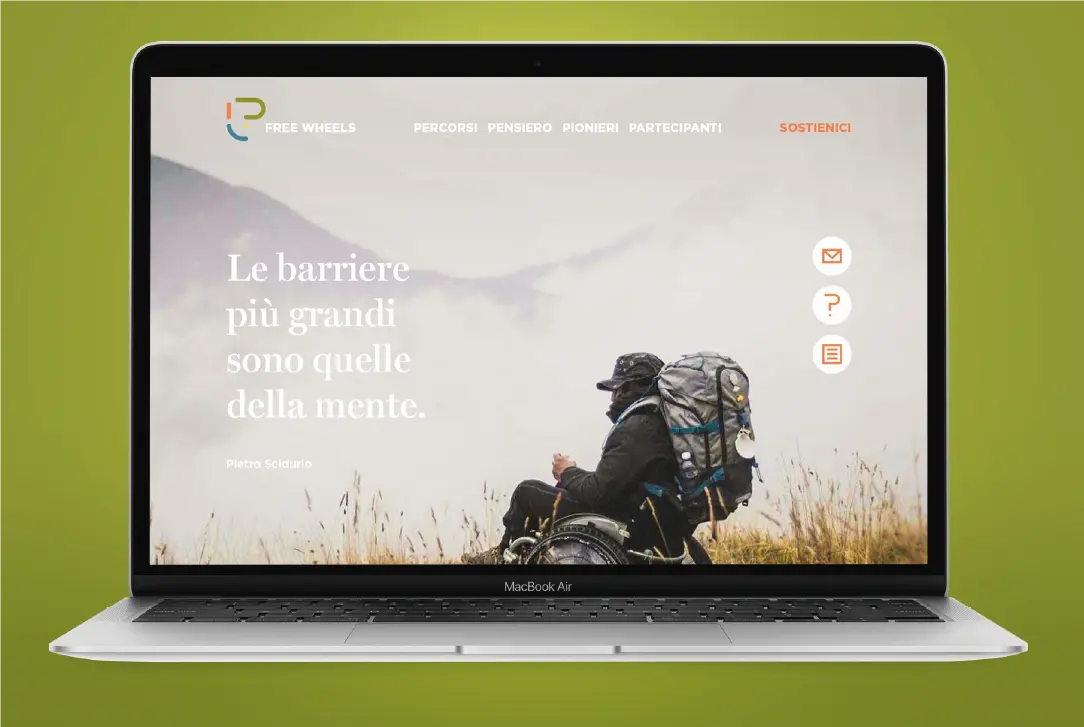
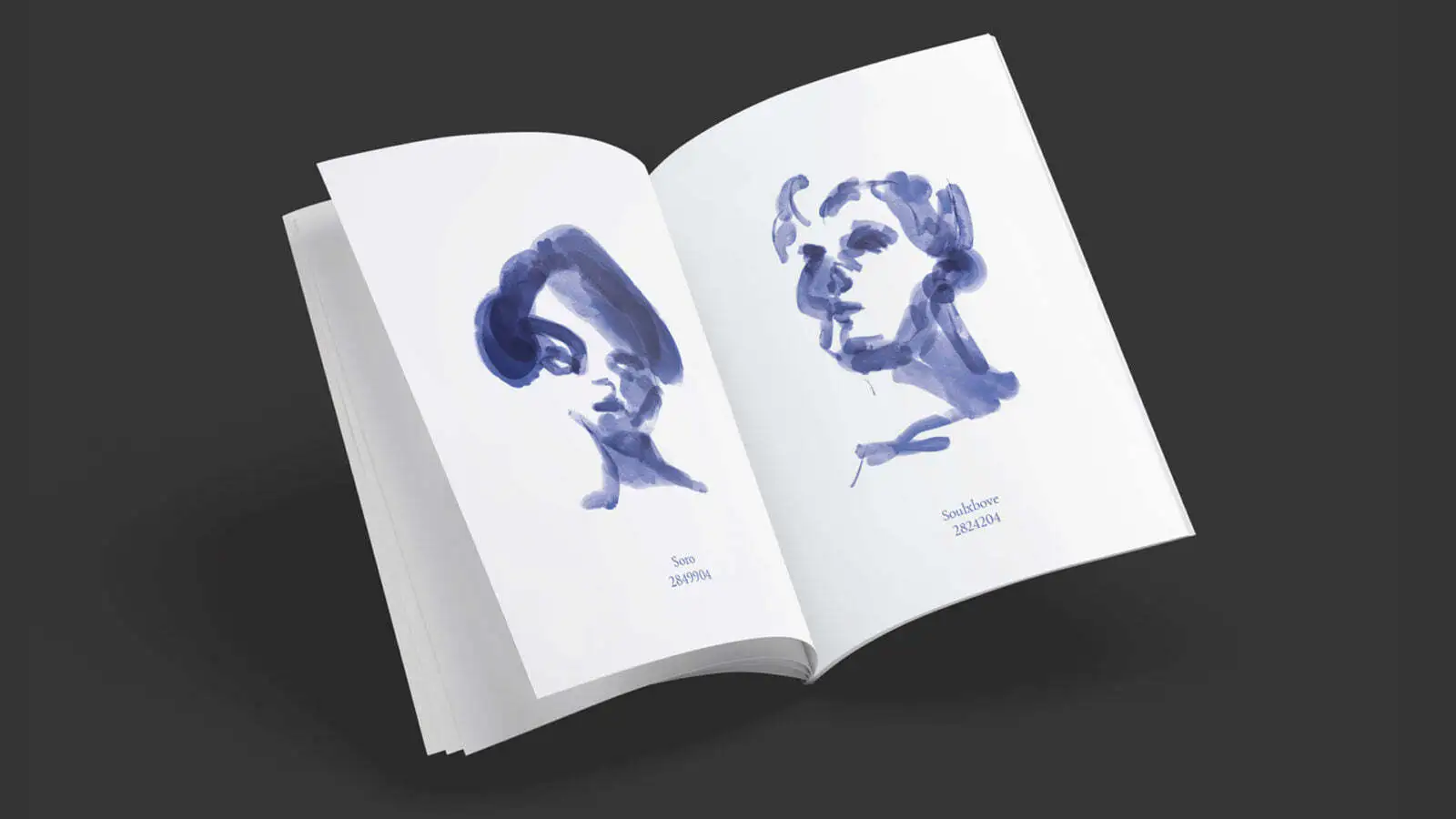
Communication is known to have great power. It is necessary to get a message to the mind and heart of people. Aware of this, three IED Alumnae, from Italy and Spain, have given birth to graphic gesign works with the aim of communicating inclusion through signs and images. Annette Vaccaroni and Melissa Terzi, who attended the Professional Training Program in Graphics promoted by IED Venezia, have worked on the restyling of the website of Free Wheels Onlus, an association that deals with the difficult issue of the architectural and mental barriers, mapping itineraries and paths to improve people's lives. Instead, Sara Torres, Alumna from Madrid, developed the idea of El impulso del Adentro some time ago: it was a project conceived as a periodic publication with testimonies and reflections on the concept of “identity” addressing in particular queer people, those who do not live within the two traditional gender groups.

Speaking of communication and social inclusion, the project I Have Thisabilty, made by two IED Milano Communication Design graduates, was recently awarded a Clio Award. In fact, Joshua Mancini e Giulia Teruzzi have won the most prestigious advertising awards globally for the campaign created with Durex, to reduce the gap between disability and sexuality.
WITH SPORT YOU CAN
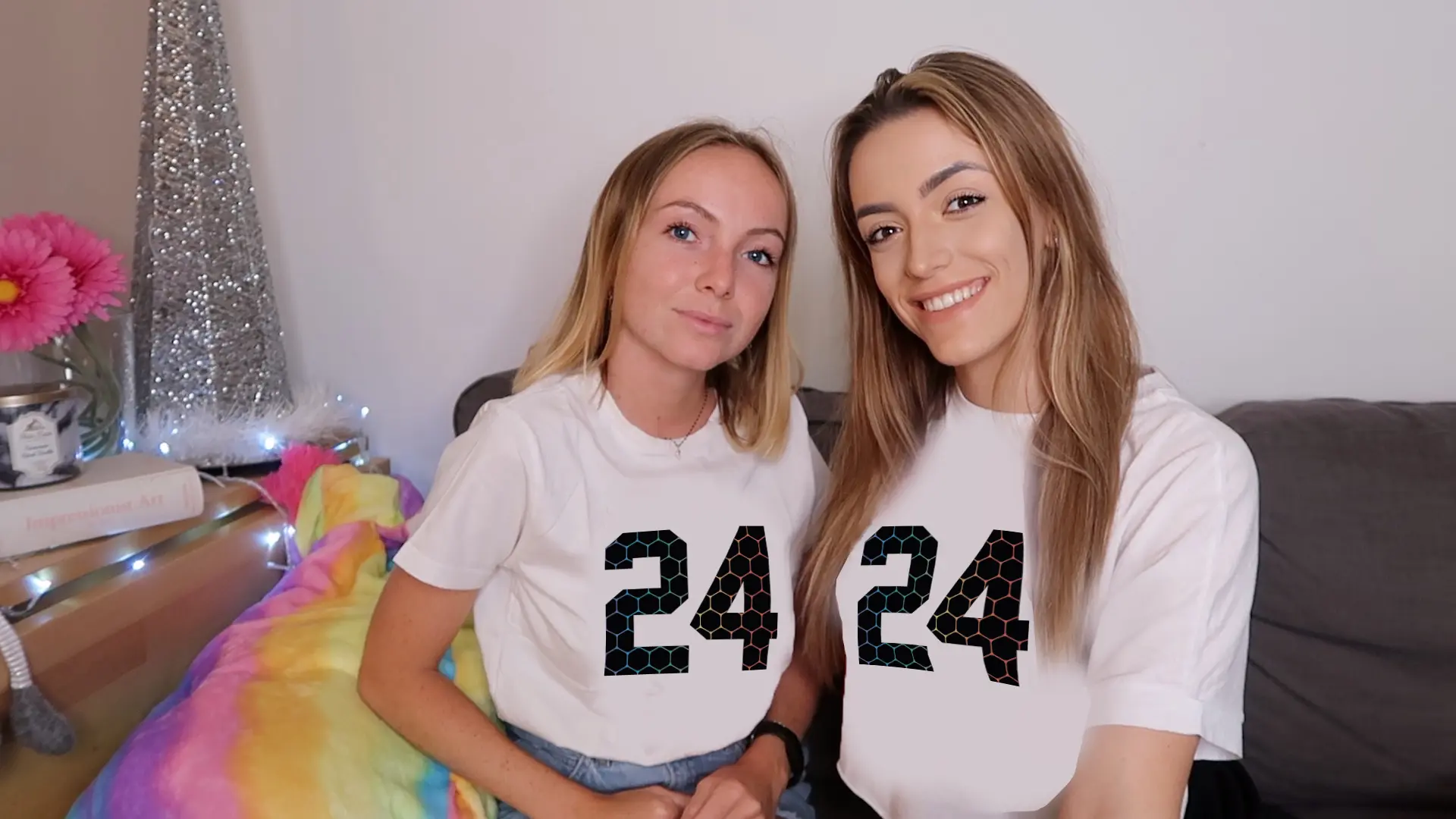
Sport obviously did not remain outside the planning of the IED Alumni, who in their final thesis took into account the communicative strength of this activity and how it can perfectly combine with the aims of inclusive design. Once again through colours and images, as in the We Are 24 project by former IED Milano students Ambre Carladous and Nadja Stanojevic. The graphic designers, starting from the Human Football Club theme by the thesis partner FoorbALL Nerd, discussed the link between sport and issues such as homophobia, misogyny, machismo and raise public awareness. The title of the work is not accidental, referring to a Brazilian game, "Animal", where the number 24 is an animal called "veado", a term often sadly used as a homophobic insult.
ph. Isaac Guardado
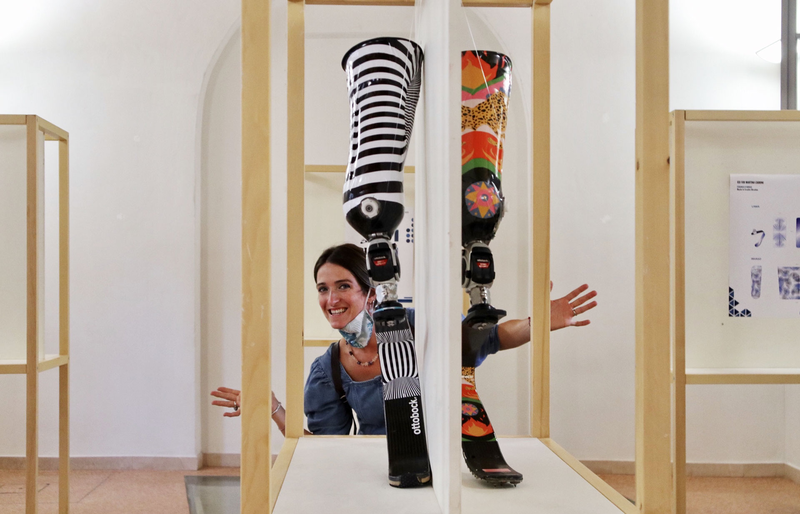
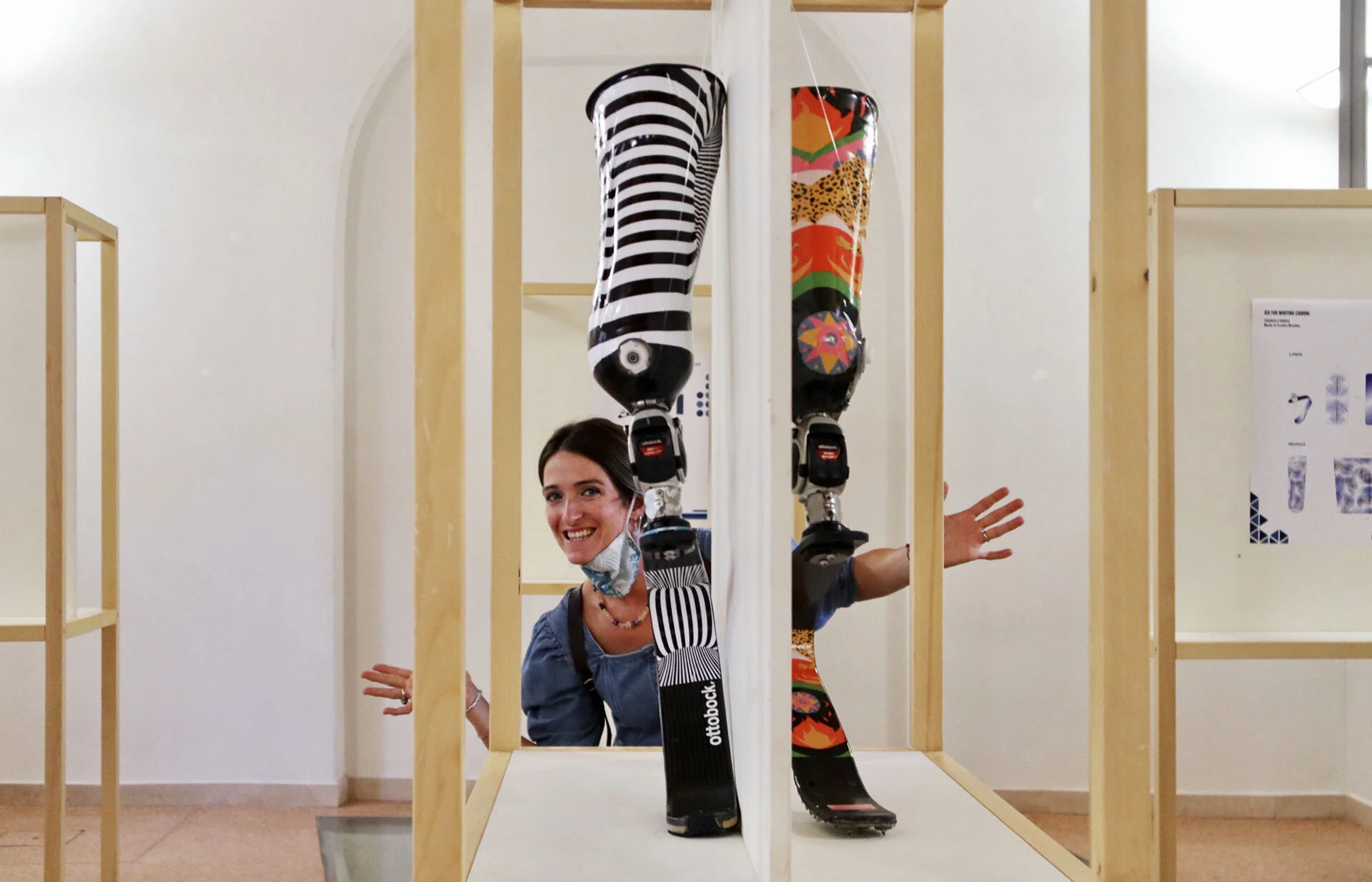
But the IED Alumni also worked to remember that physical diversity and disability can be strengths. It happened with the customised prostheses for paralympic athlete Martina Caironi, for example. The work was done by Silvia Borri, who attended the Master in Creative Direction, and Maddalena Pavanello, who instead attended the Master in Graphic Design. Silvia worked on an optical prosthesis for the 100 meter sprint, while Maddalena designed an ethno-pop style prosthesis, that can be used by the athlete for the long jump event. Among the projects carried out by IED in that occasion, we should also remember that of Farhat Sharif, Alumna of the Master in Fashion Design, who coloured the special sports prosthesis inspired by Pakistani atmosphere.
DESIGN AND HEALTH
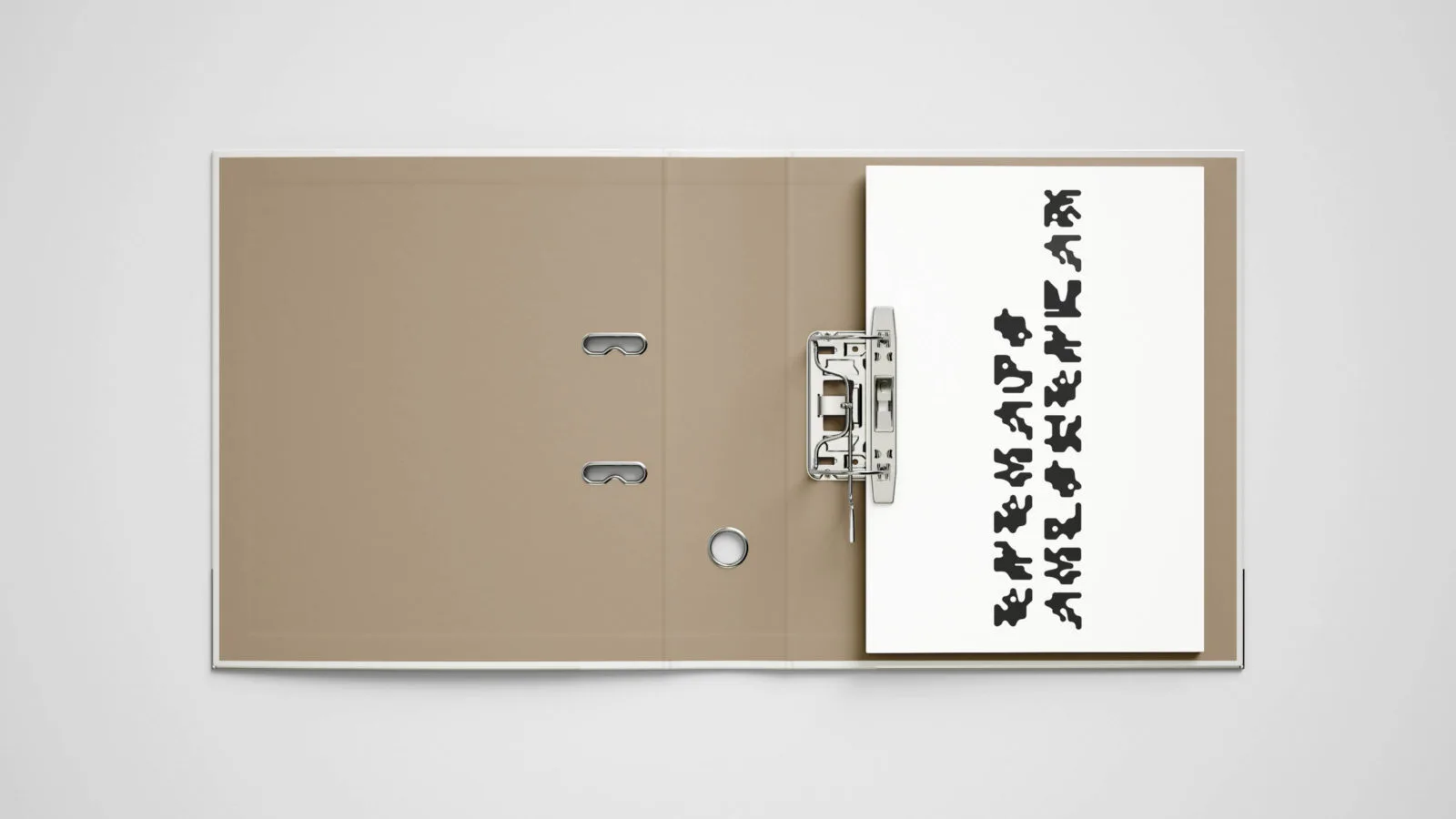
Then, several works over the years have addressed the issue of disease, with the development of projects designed to improve the status of patients, young and old. The AX project by Patricia Valbuena Montejano, Alumna from IED Madrid - just to name one - focused the attention on the relationship between design and mental health, with special reference to eating disorders like anorexia nervosa. With her project, she wanted to elaborate a prototype of projective test capable of contributing towards the prevention, evaluation and diagnosis of the disorders, following a careful analysis of a patient's behaviour in private and in public.
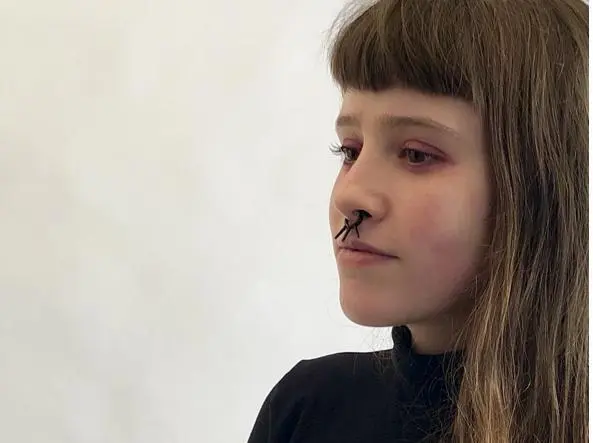
IED Roma graduates, on the other hand, faced autism in A for Atipico!, which was included in the ADI Design Index 2019, a publication with the best design projects in Italy. The research was developed by the students of the Undergraduate course in Product Design: Agnese Roviti, Valentino Chidiac, Francesca Della Monica, Marlene Aschettino, Giulia Verticchio, Stefano Pellino. They also received the Excellence Award for this work. With the collaboration of three disease experts, the Alumni have created several prototypes to allow people with autism to live better lives, taking into consideration the problems related to sensitivity to sounds, smells, touch and anxiety. Among the proposals there was "My" by Roviti (now in the Research and Development department of Unopiù, and to which Interni recently dedicated an article) and Verticchio. The two Alumane designed a prototype earphone to eliminate external sounds, thus allowing you to enjoy silence even in noisy places. Another project Roviti worked on was a silicone nose plug in the shape of a piercing, which responds to the need of autistic people to be able to better tolerate odours that can sometimes be annoying. Giulia Verticchio also awarded in 2019 at the IED Roma Design Awards for the best design thesis project, once again dedicated to the relationship between design and health, with a focus on autism. Her work was made in collaboration with BrainSigns, a spin-off of the La Sapienza University, allowing those who are unable to express themselves verbally to comunicate: she did this via a headset with sensors that reads brain waves translating them into words that can be heard by a special shell-shaped accessory; both for the headset and for the accessory intended for listening, the use of 3D printing technology was fundamental to produce unique and tailor-made pieces for each user quickly and cheaply.
A NEW IDEA OF HOME
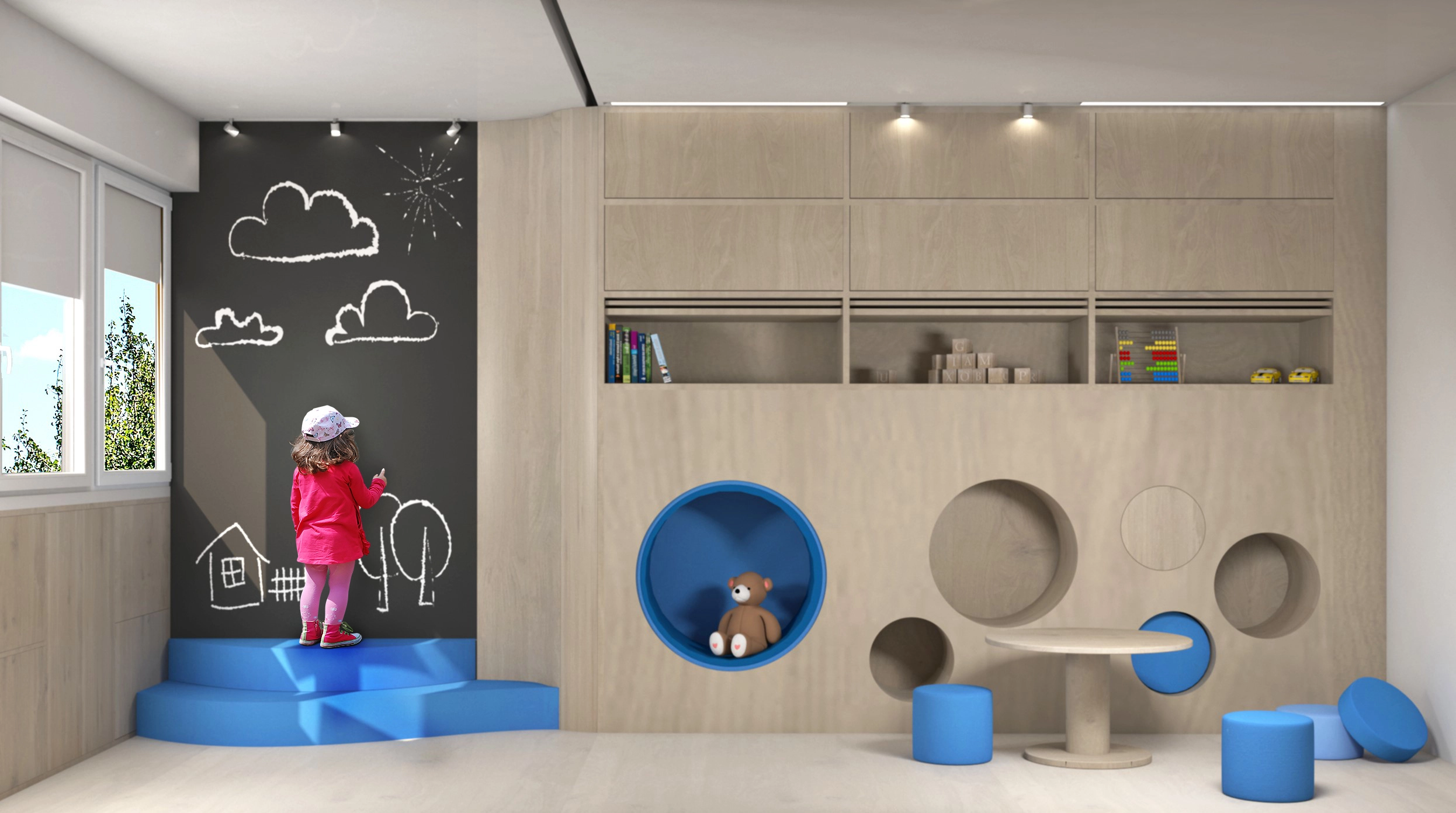
IED Cagliari with To make a tree, a thesis project by Maria Vittoria Mecacci, in collaboration with the G. Brotzu Hospital, has instead worked on an interior design woek for pediatric hospitals, in order to create welcoming atmospheres to promote therapu and hospitalization. A bit like in the Inside Aut project by Maria Rosalia Cadau, aimed at designing an ideal space for carrying out therapy for children with autism spectrum disorders, redeveloping the interior spaces in order to improve hospitalisation for children. After cohousing for divorced fathers, in 2020 the IED Roma Alumni worked on a thesis project with Asp S. Alessio, a co-housing for the visually impaired, with the contribution of the School of Fashion, which through two Alumnae created jewels using 3D printed ceramics, and multisensory accessories, designed specifically for people with visual impairments.
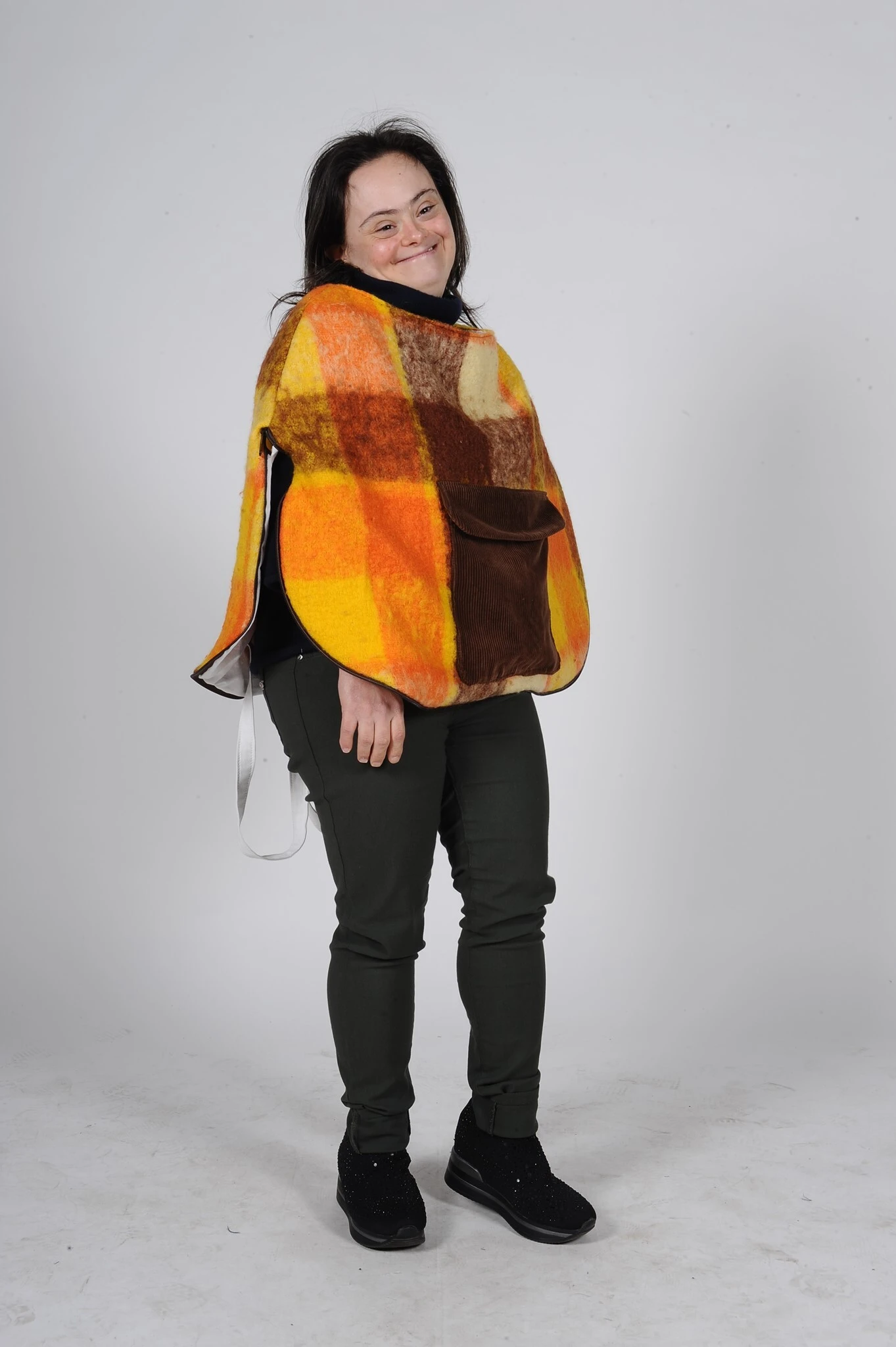
And talking about fashion, to remember is the work of the IED Torino diplomands for Abito, the social inclusion project promoted by the San Vincenzo de Paoli Association, to combat poverty and promote integration through the exchange and sale of garments. The third year students of the Undergtaduate courses in Fashion Design and Jewellery Design worked on garments and accessories provided by the association, repairing and embellishing used clothes with the creative mending technique and creating unique bags, backpacks and handbags with fabrics and reused materials.
LIVING BETTER THE SPACES
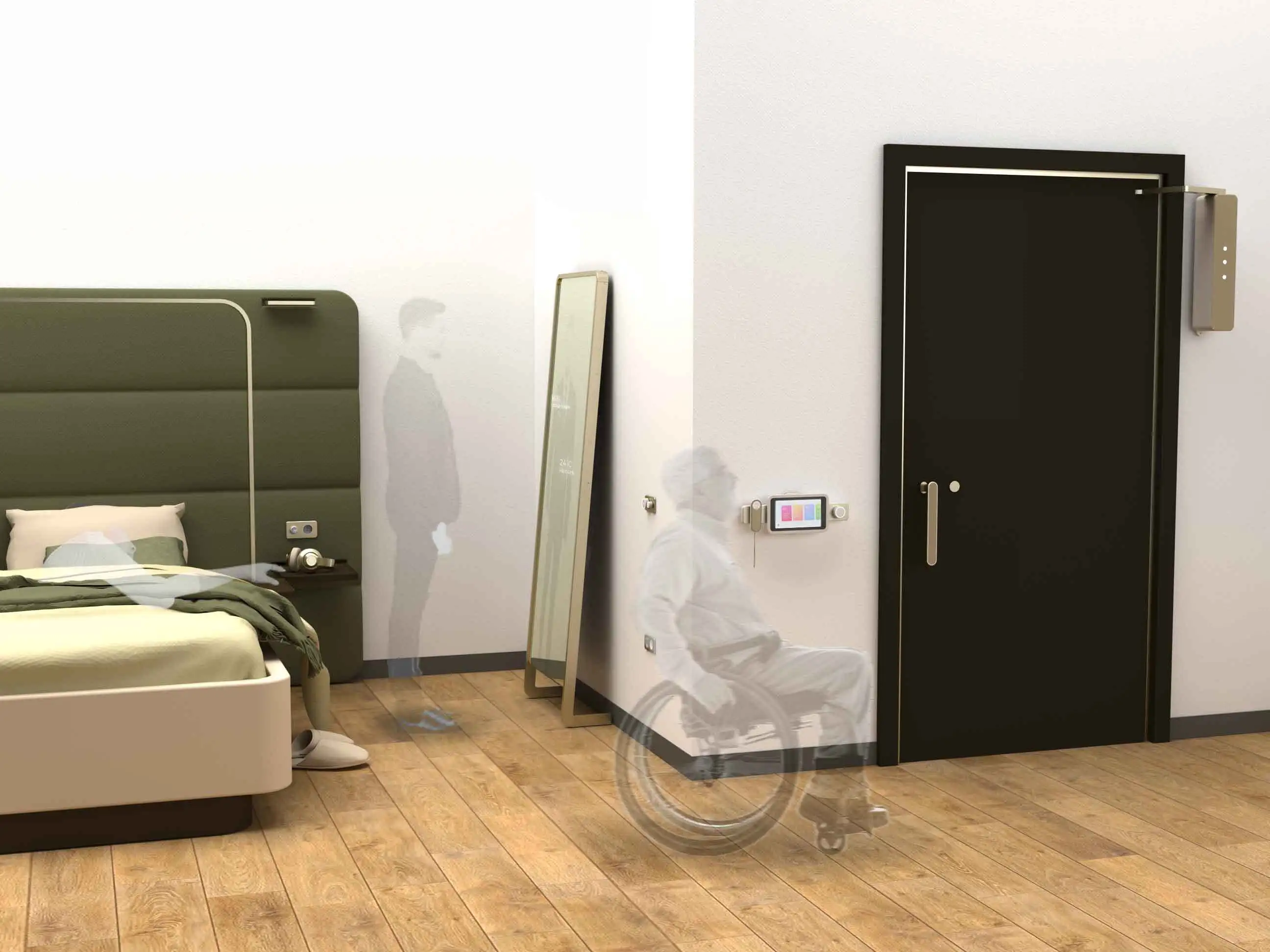
Design for society can also include replicable business services, as one of our mentors Oscar Anibal Pozuelos (read his interview) is well aware; in fact he has always integrated planning, innovation and social value in his work. This should happen in economic sectors such as tourism, where the creativity and ideas of the IED Alumni were not lacking to provide a solution to the problems. Like the Hoteling for All project, the thesis work by former students of the IED Milano Undergraduate courses in Interior, Product and Media Design, with design proposals that even provided for the use of artificial intelligence for the construction of a hotel rooms that consider the needs of handicapped people, but which at the same time are rooms “appreciated by everyone”, even by those who do not have specific needs. In the development of the project, able-bodied users, people with temporary disabilities, visually impaired, blind, hearing impaired, deaf, paraplegic and quadriplegic were taken into consideration. The thesis project saw Attila Verres (watch and read his interview) as lecturer for the School of Design (Interior and Product Design Courses).
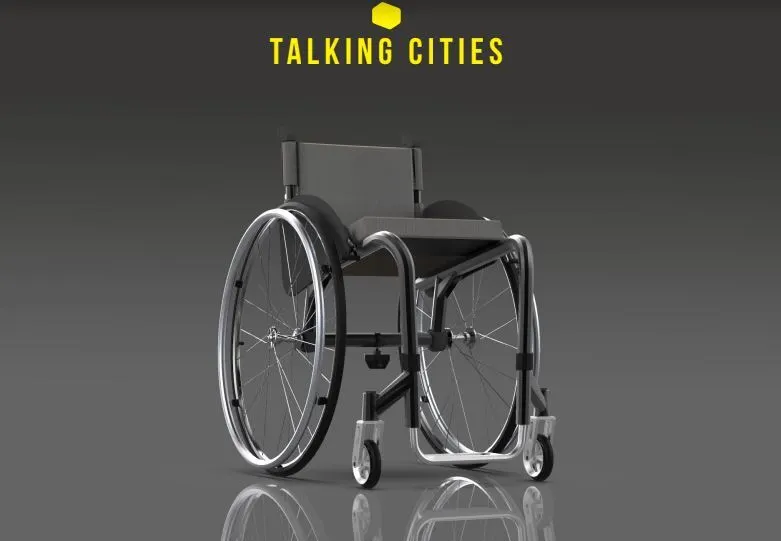
Finally, speaking of spaces and therefore also spaces in the city, the Talking Cities project by Pilar Pemán should be mentioned. It was a work to improve urban mobility for wheelchair users, with an information network to find relative traffic informations on city streets. Therefore, an artificial intelligence system that collects and analyses data, able to determine the most optimal routes, also shared with other users. In Pilar's design idea, the informations would come via a wearable device or via an APP. The device, in particular, would have been fixed on the lower part of the chair, identifying the impediments of the city that hinder the free movement of its users, such as construction sites, poorly paved areas, surface inclination, and so on.