IN A NUTSHELL:
- IED Roma and IED Firenze
- Fashion Design + Arts Management
- Art Manager and Curator
YOU NOW:
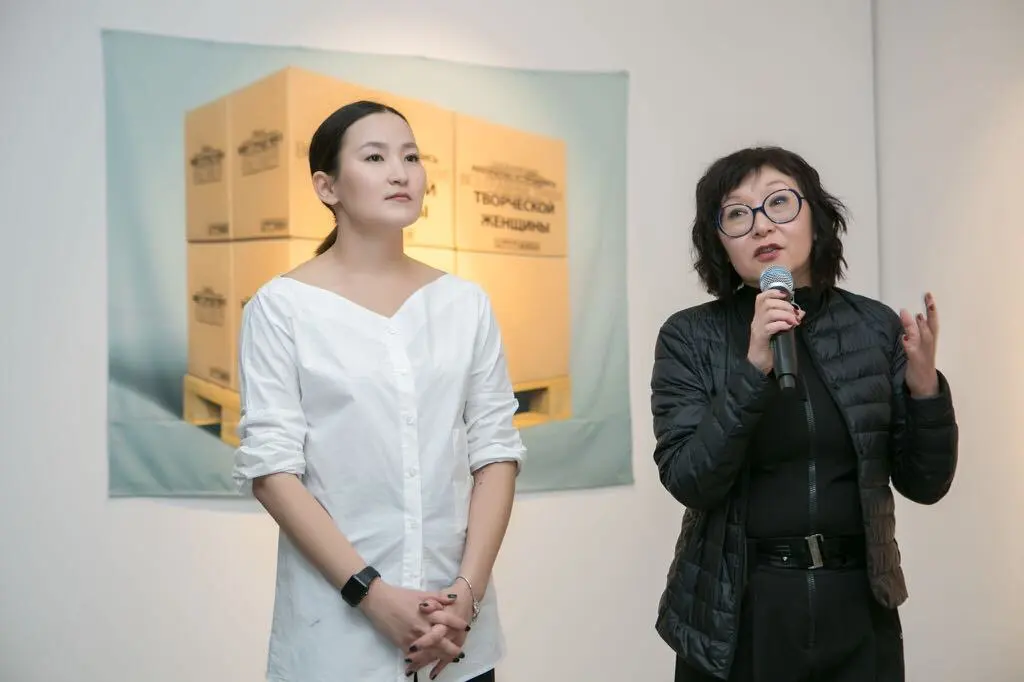
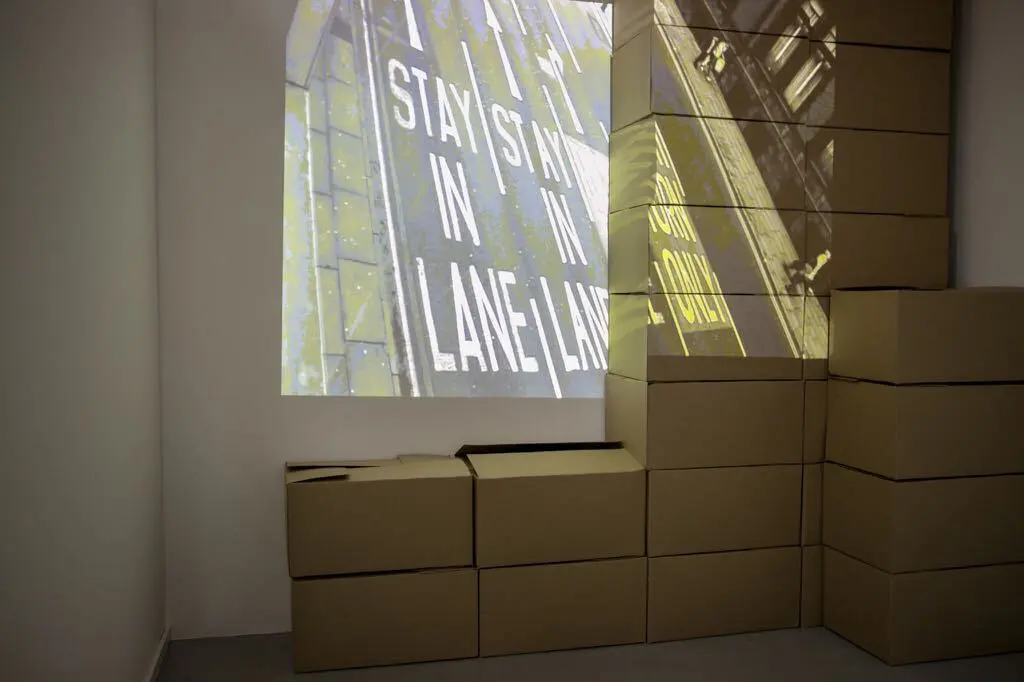
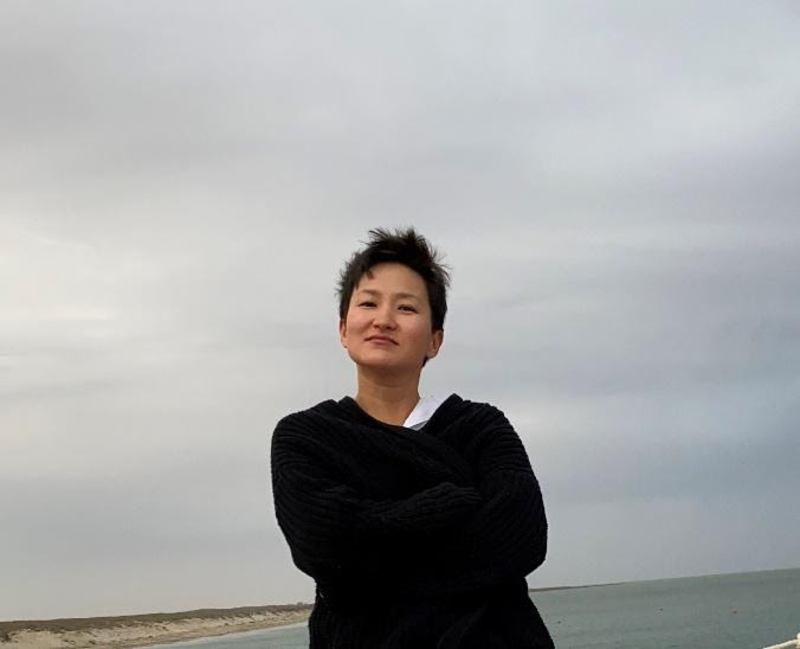
I did my bachelor's in Kazakhstan in Visual Arts. Then I quickly realized that I was not an “artist” by soul and moved to fashion retail where I worked for 3 years. We opened with a franchise called Debenhams, a British department store. But during my second year of working in retail, I realized that it was not my sphere either – I wanted to deal with art as an organizer. IED taught me to evaluate ideas in projects, present them and speak in public (the IED program foresaw regular public presentations of projects) – it helped me a lot. Also, I started to be more interested in modern art from my country and the whole world.IED helped me to make the shift from fashion retail to contemporary art. I did not search for a job immediately since I got a baby very soon after graduation, and during maternity leave, I only managed a page on a social network dedicated to contemporary art but after that, I found a job very easily thanks to my education. First I worked as an art manager in the National Museum for about 1,5 years. Among the projects made there, I was happy to co-curate an exhibition “Astral Nomad” by one of the leading contemporary artists in Kazakhstan - Sergey. After that, I moved to the TSE Art Destination gallery where I curated and managed exhibitions and educational public programs. The main direction of the gallery is the development of contemporary art in the region where we work with established and young artists, like Central Asia or internationally.
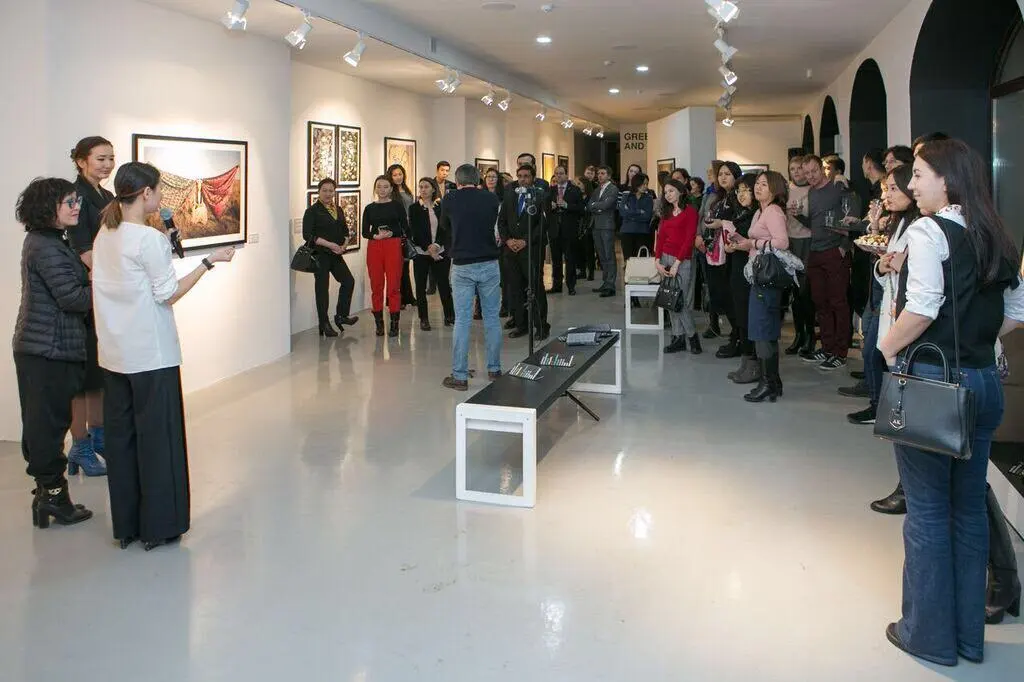
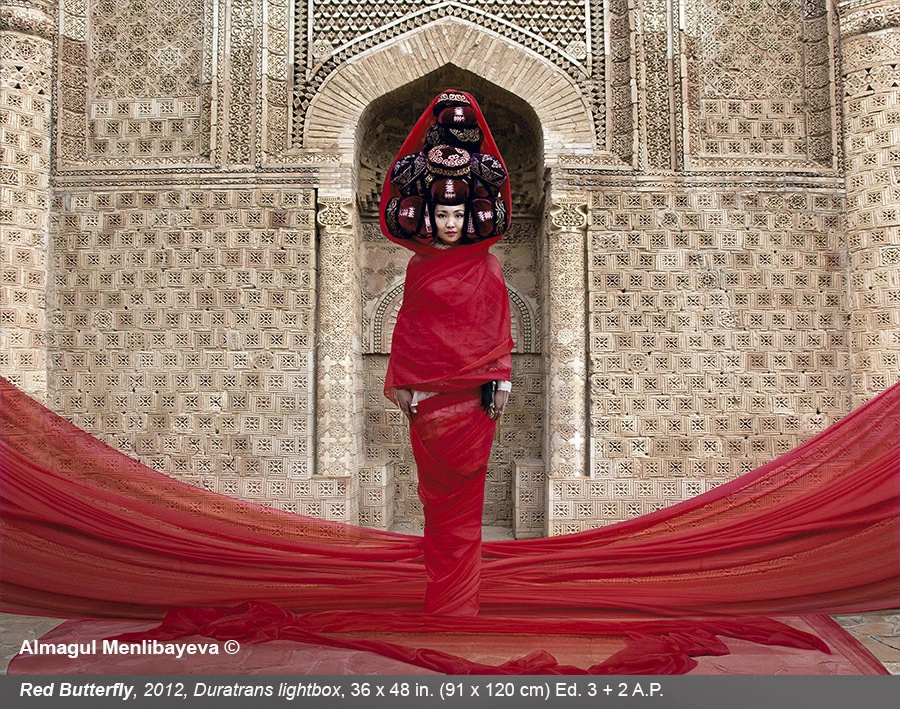
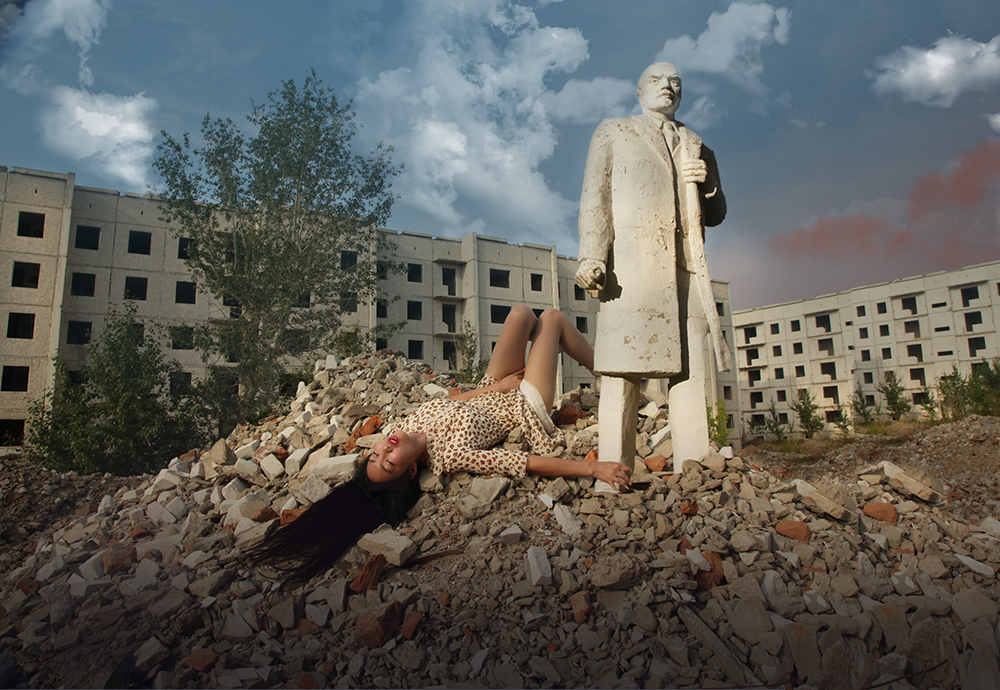
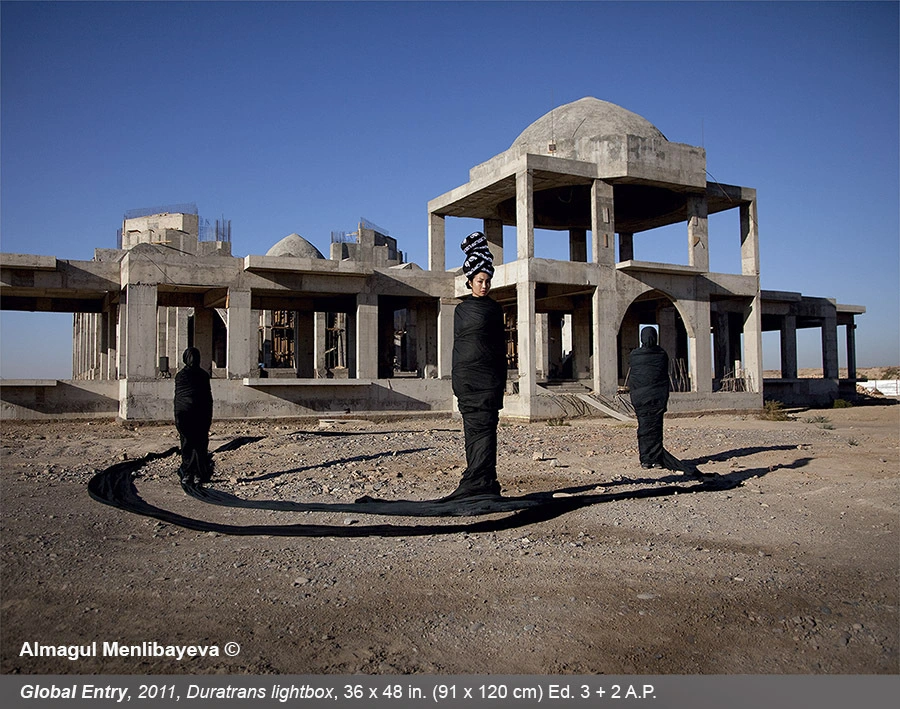
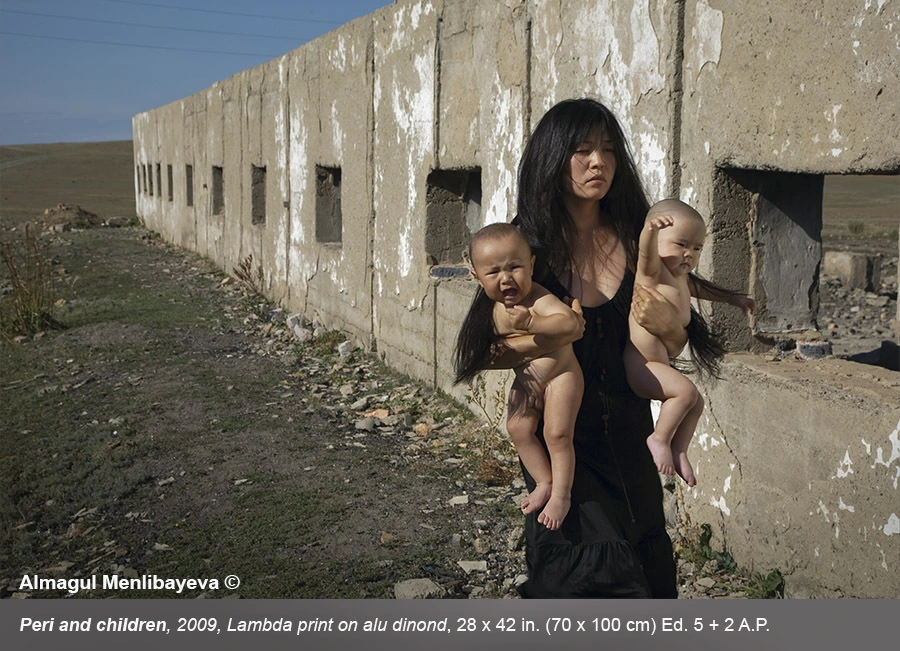
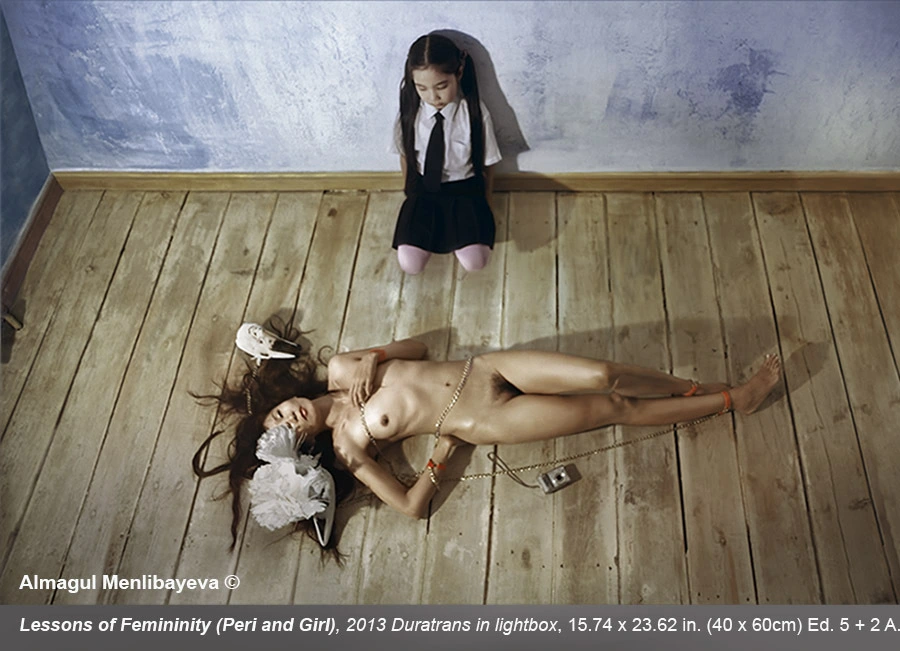
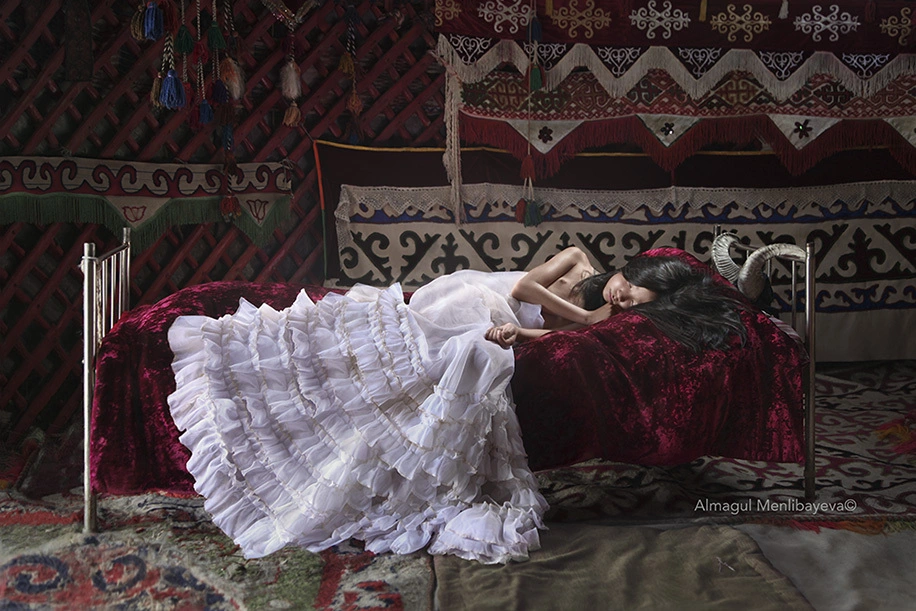
My most significant project date: Firstly, curating the ”Green, Yellow, Red and Green again” exhibition by Almagul Menlibaeva. She is a well-known artist originally from Kazakhstan, living in Germany. She works mostly in multi-channel video, photography and mixed media installation and her artwork has been featured internationally in the Venice Biennale, Sydney Biennale and more. Secondly, launching and curating the Astana Art Show festival is an annual event dedicated to contemporary art located in Astana with the participation of international artists.
WHY IED:
I really loved that our teachers were not only theoretical but practical professionals with ongoing experience. A memorable part of the program was the visit to the Uffizi gallery in Florence where we had the opportunity to speak to its General Manager. Our teachers organised Pitti Uomo – it was a great opportunity indeed to go deep into the sphere. We also had a short internship with the Peggy Guggenheim gallery in Venice where we also visited all departments and had short lectures from its staff. IED also helped me to meet a lot of interesting creative people, most of whom I am still in contact with. Since then I’ve realised how I am grateful to our group curator – professor Daria Filardo. I think that without her help and advice we wouldn’t have been able to implement our final collective project as it is not easy to mediate 11 students from different countries with a broad background. She is a wonderful person, a strong professor and an effective mediator.
IED LOCATIONS:
Firstly, the description of the program on the website fully satisfied my requirement for this speciality. I loved the description of my course on the IED website. Secondly, the fact that the course lasted for 1 year suited me perfectly: I was already married and could not leave for a longer period. Then of course it was Italy, even if I realized that for modern art it was not the best location. But I still chose this country. And of course, big brands played a big role: Uffizi, Strozzi, Guggenheim, Pitti and others – IED provided collaboration and projects with them.
ADVICE:
I would advise getting prepared before going to study in Italy, to study Italian contemporary art beforehand. Also I strongly advise you to study the Italian language. You can enrol on language courses in parallel with studying in IED – that’s what I did when I studied in Rome. It gives a better understanding of the country itself as well as more communication possibilities. And of course, you should regularly visit exhibitions and art events because it is the way to better understand art globally and widen your horizons in the professional field.
FIND OUT MORE:
Facebook: Assel Akhmetzhanova